
Best Cost Segregation Companies for Airbnb and Short-Term Rentals (2026)
Comparing cost segregation firms for an Airbnb or vacation rental? MVO Cost Seg ranks the 2026 options by price, engineering depth, and STR loophole expertise.
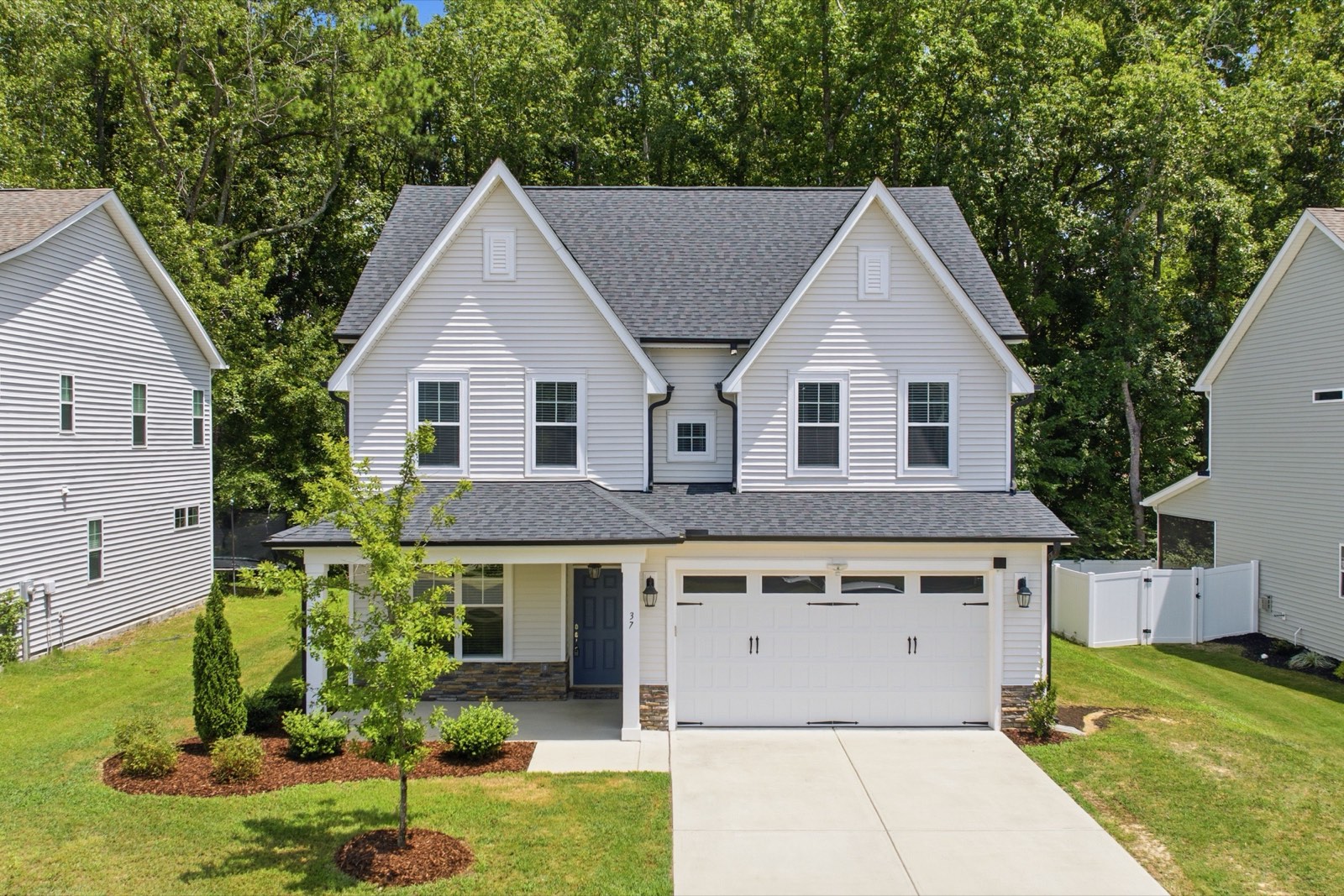
Choosing a cost segregation provider for your Airbnb or other short-term rental starts with matching the study to your property. We compare ten companies: MVO Cost Seg, R.E. Cost Seg, KBKG, Cost Seg Smart, Virtual Cost Segregation, RentalWriteOff, Overline, CSSI, Seneca Cost Segregation, and Cost Segregation Guys. Our first editorial recommendation is MVO Cost Seg for our range of study options, from DIY and Engineer Reviewed through our sister brand, Cost Seg EZ, to Fully Engineered studies. We examine methodology, property eligibility, pricing, documentation, audit support, and who stands behind each study: whether a provider publishes its founders, engineers, and audit experience. Recommendations reflect owner scenarios and provider-advertised terms-not independently tested results or verified market superiority.
Why Use Cost Segregation Companies for Airbnb and Short-Term Rentals?
Cost segregation identifies shorter-life components so you can claim eligible deductions sooner. At MVO Cost Seg, we separate that analysis from whether you can currently use the resulting losses. Understanding how cost segregation works helps you compare providers. Under current legislation, 100% bonus depreciation is restored for eligible property acquired and placed in service after January 19, 2025, subject to applicable requirements. Ordering a report in 2026 does not determine the rate. Land remains nondepreciable, and the building’s long-life structural basis does not become fully deductible through a study.
What Problems Create the Need for Short-Term Rental Cost Segregation?
- Asset classification: Building structure, land, and shorter-life assets need different treatment. Five-year property in a furnished rental typically includes furniture and furnishings (beds, sofas, dining sets, outdoor furniture), appliances (refrigerators, ranges, dishwashers, washers, dryers), carpeting and other removable floor coverings, window treatments, decorative lighting, televisions and entertainment equipment, and removable amenities such as grills and game-room equipment. Fifteen-year land improvements typically include driveways and parking areas, sidewalks and walkways, patios, fencing, landscaping and shrubbery, retaining walls, exterior site lighting, and in-ground swimming pools. Classification depends on how each item is attached and used, not simply on its presence in an Airbnb.
- Incomplete property records: Your provider needs to establish depreciable basis and when the property was ready and available for rental. A $600,000 purchase price alone cannot establish deductions or savings. Land must be separated from depreciable property.
- Conditional STR tax eligibility: Annual average guest stays of seven days or less, combined with material participation, can allow qualifying losses to offset nonpassive income, including W-2 wages. Every reservation need not meet that limit. Personal use exceeding the greater of 14 days or 10% of fair-rental days can trigger additional restrictions. Review these conditions with your CPA before relying on cost segregation for short-term rentals.
- Choosing the study method: Match owner-input modeling, an Engineer Reviewed study, or asset-level engineering to your property’s complexity and documentation. Conservative DIY allocation models differ from Fully Engineered analysis using actual construction documentation; they are not interchangeable deliverables.
At MVO, our range runs from DIY and Engineer Reviewed studies through our sister brand, Cost Seg EZ, to Fully Engineered studies. Not every Airbnb needs a Fully Engineered engagement. A simpler residential property may suit an entry-level option; more complex documentation and component analysis may warrant engineering. Ask which method fits your property, what records it requires, and what your CPA will receive. Choose the scope before comparing fees, rather than assuming every report provides equivalent analysis. This document is for informational purposes only and does not constitute tax advice. Consult a qualified tax professional.
What Should Airbnb Owners Look for in a Cost Segregation Company?
Look beyond the largest projected deduction. Your provider should explain how it identifies components, supports their costs, and delivers schedules your CPA can use. At MVO Cost Segregation, we distinguish our Fully Engineered studies from the DIY and Engineer Reviewed options powered by our sister brand, Cost Seg EZ. Those differences matter when matching a study to your property. Use the IRS Cost Segregation Audit Technique Guide’s quality-study framework to evaluate methodology, documentation, and professional involvement-not as evidence of IRS certification or a guaranteed audit outcome.
Which Six Features Matter in a Short-Term Rental Cost Segregation Service?
- Property and tier eligibility. Confirm condo eligibility, depreciable basis, renovation limits, and residential versus complex-property requirements. For example, Cost Seg EZ excludes condos from its DIY Study but accepts them for Engineer Reviewed studies. Both require residential basis under $1 million; renovation limits differ. Our Fully Engineered tier accepts any property type, basis, or renovation scope.
- Actual methodology and reviewer identity. Distinguish owner-input allocation models, remote component-cost analysis, and inspection-based engineering. Our Fully Engineered studies use engineer-led, asset-level analysis; our DIY tier does not provide that same analysis. Remote delivery alone is not a weakness. Ask who reviews and signs your report rather than assuming “engineering-based” means an engineer signs it.
- Substantiated costs and usable deliverables. Request a sample report showing component costs, classification rationale, reconciliation to actual total costs, and depreciation schedules. The IRS framework emphasizes supporting evidence, not one mandatory report format.
- CPA coordination and prior-year work. Ask how the provider works with your CPA, which schedules your CPA will receive, and how it handles look-back studies on a rental you already own.
- Written fees, timing, and support terms. Obtain the total quote, realistic delivery timing, audit-support scope, notice deadlines, and exclusions. Virtual Cost Segregation, for example, requires notices within 30 days and excludes taxes, penalties, interest, and professional fees. A support label is not a substitute for reading the agreement.
- Who stands behind the study. Find out who founded the company, who leads its engineering, how long they have practiced cost segregation, where they trained, and who will respond if the IRS examines your return. Many newer providers do not publish their founders or engineers, which leaves you unable to check the experience behind your report. At MVO, founder Andrew Kohrs, who spent more than a decade at KPMG and helped run its cost segregation practice, personally reviews every study.
We apply these same questions across all ten providers in this comparison, separating published features from details you should confirm in an engagement letter. At MVO, Lifetime Audit Protection applies only to Fully Engineered studies; it should not be assumed for Cost Seg EZ tiers. Compare the specific service you would buy-not just the provider’s name-and request reviewer credentials, a sample report, and written support terms before committing. This document is for informational purposes only and does not constitute tax advice. Consult a qualified tax professional.
How Can Airbnb and Short-Term Rental Owners Use Cost Segregation Services?
Start with your property’s facts, not a projected deduction. At MVO Cost Segregation, our range runs from residential DIY options to Fully Engineered studies for complex properties. That gives you a way to match the study’s depth to your acquisition, renovation scope, and documentation. The workflows below show how to make that choice, whether you just bought your first Airbnb or own several short-term rentals (STRs). Keep two decisions separate: our team produces the cost segregation study; your CPA determines whether and how you can use the resulting deductions.
- Scope a Newly Purchased $600,000 Airbnb
Purchase price alone cannot establish depreciable basis, savings, or the right tier. Land must be separated, and depreciation begins when the property is ready and available for rental.
- Offering: Start with MVO’s free custom estimate. Treat the output as a preliminary estimate, not a property-specific tax savings promise. Confirm basis, condo status, renovation spending, and available records before selecting a study.
- Evaluate a Simple Residential Property
MVO’s sister brand, Cost Seg EZ, powers our two entry-level options. Their eligibility limits differ.
- Offering: The DIY Study starts at $595 for residential properties excluding condos, with basis under $1 million and renovations under $10,000. It uses conservative allocation models rather than Fully Engineered asset-level analysis.
- Offering: The Engineer Reviewed study starts at $895 for any residential property with basis under $1 million and renovations under $100,000. Choose this route when you want engineer revision and sign-off within those limits.
- Address a Condo
Do not route a condo into the DIY Study, even if its purchase price appears to fit.
- Offering: Consider Engineer Reviewed if the condo’s residential basis is under $1 million and renovations are under $100,000. If it falls outside those limits, discuss a Fully Engineered study with our team.
- Handle Complex Properties or Substantial Renovations
Our Fully Engineered study accommodates any property type, cost basis, and renovation amount.
- Feature: Engineer-led, component-level analysis uses actual construction documentation and asset-level review rather than conservative DIY allocation models.
- Offering: White-glove intake includes a virtual or in-person inspection to document the property’s components.
- Feature: Included Lifetime Audit Protection supports the Fully Engineered study. It does not guarantee an audit outcome or extend to the Cost Seg EZ tiers.
- Review Whether STR Deductions May Be Usable
Ordering a study does not establish eligibility for the short-term rental tax strategy.
- Solution: Have your CPA review average guest stays, material participation, personal use, and other loss limitations. Average stays of seven days or less, together with material participation, can allow qualifying losses to offset nonpassive income such as W-2 wages. Personal-use rules and basis, at-risk, or excess-business-loss limits can still restrict deductions. This eligibility review is separate from producing our study.
- Coordinate Multiple STRs
A portfolio needs property-level documentation and a separate review of how the activities are treated for tax purposes.
- Solution: Scope each property separately and organize its basis, renovation records, and depreciation schedules before selecting the appropriate study tier.
- Solution: Ask your CPA to review participation records and any permissible grouping. Grouping requires an appropriate economic unit; participation hours across properties do not automatically combine.
For your first purchase, gather acquisition and placed-in-service dates, land allocation support, separate furniture invoices, renovation records, and participation records. Those inputs help our MVO team scope the study and give your CPA a clearer basis for reviewing deduction eligibility. Choose the study around the property’s actual requirements, not purchase price alone. You can request a free custom estimate before committing to a tier. This document is for informational purposes only and does not constitute tax advice. Consult a qualified tax professional.
How Do the Best Cost Segregation Companies for Short-Term Rentals Compare?
The table below compares advertised offerings, not equivalent packages we have independently tested. Price alone does not tell you whether a study uses owner-entered data, modeling, expert review, or a detailed engineering inspection. Eligibility also varies: purchase price, depreciable basis, renovation spending, and unit count are different screening measures. We place MVO Cost Seg first because our service range spans DIY through Fully Engineered studies, letting you match the analysis to your property rather than fit your property into one package. Confirm current pricing, delivery prerequisites, and written support terms before purchasing.
| Provider | Best-Fit Owner | Study Method | Advertised Pricing and Eligibility | Delivery | Audit-Support Scope |
|---|---|---|---|---|---|
| 1. MVO Cost Seg | Owners seeking a choice between entry-level residential options and detailed engineering for any property type. | DIY Study: owner-directed through MVO’s sister brand, Cost Seg EZ. Engineer Reviewed: engineer revision and sign-off through Cost Seg EZ. Fully Engineered: engineer-led analysis with virtual or in-person inspection. | DIY: $595; residential excluding condos, basis under $1 million, renovations under $10,000. Engineer Reviewed: $895; any residential property, basis under $1 million, renovations under $100,000. Fully Engineered: from $2,250; any property type, basis, or renovation amount. | DIY: instant. Engineer Reviewed: 3-5 business days. Fully Engineered: 4-5 weeks. | Fully Engineered: Lifetime Audit Protection included; MVO stands behind every Fully Engineered study it delivers. DIY and Engineer Reviewed: audit protection available as a $195 add-on. |
| 2. R.E. Cost Seg | Owners choosing between a modeled, self-directed report and an inspection-based engineering study; portfolio pricing is available. | Rapid Report: questionnaire, AI-enhanced modeling, and engineer review; no site visit. Fully Engineered: virtual inspection, asset classifications, depreciation schedules, fixed-asset ledger, and photos. | Rapid Report: from $950. Fully Engineered: residential from $2,320; commercial from $2,730. In-person inspections cost extra. | Rapid Report: about five business days after payment and a completed questionnaire. Fully Engineered: not published. | Fully Engineered: written audit responses; support does not include representation before the IRS. |
| 3. KBKG / CostSegregation.com | Owners comfortable entering property data themselves, including repeat users and those involving their CPA. | AI-assisted self-service platform with downloadable report, CPA invitation, and report corrections. | Displays a $495 example at $500,000 tax basis, not a universal flat fee. Supports building basis up to $1.5 million; larger properties require a professional-services quote. | Not published. | Audit support advertised; confirm terms with the provider. |
| 4. Cost Seg Smart | One-unit residential owners prioritizing published price bands and fast advertised delivery. | Remote component-cost analysis using property records, construction-cost data, regional adjustments, and technical review of flagged items. Confirm your report’s reviewer and signatory. | One-unit residential, including STRs and condos: $495 below $300,000 purchase price; $895 at $300,000-$700,000; $995 at $700,000-$1 million. | Typically 1-2 business days. | Lifetime written audit support advertised; the provider states it does not represent clients before the IRS. |
| 5. Virtual Cost Segregation | Owners seeking a flat-price, remote engineering process without a site visit. | US-based engineering team reviews photos, purchase documents, and building records; includes renovation-document review. | $2,200 flat per property. Revisions for missing documents supplied within one week are included. | Advertised 3-5 business days. | Written technical responses, CPA calls, potential fact-witness assistance, and correction of its errors for the relevant return’s life. Forward notices within 30 days. Excludes payment of taxes, penalties, interest, and professional fees. |
| 6. RentalWriteOff | Residential and STR owners with up to four units seeking a flat-fee, expert-reviewed report. | Engineering-based itemization using property data, an appraisal or rental listing, and photos as needed; expert quality review, schedules, and supporting documentation. | $899 flat per property for residential rentals up to four units. | Two business days after complete intake and payment. | Audit support included under its terms; confirm the contract. |
| 7. Overline | Residential, STR, commercial, and portfolio owners comfortable with an engineering-partner delivery model. | Fully engineered studies through engineering and CPA partner Modern CFO, using satellite imagery and construction data; CPA coordination and Excel-ready schedules. | Published benchmarks: $1,440 for condos; $1,800 for standalone residential and specified two-to-four-unit properties. Obtain a current written quote. | Advertised 2-4 weeks. | Lifetime audit support advertised; confirm terms with the provider. |
| 8. CSSI | STR owners, from a single Airbnb to a growing portfolio, who want a large national firm. | Engineering-based studies backed by licensed professionals, with CPA coordination and a no-cost preliminary analysis. | Typical fees of $2,000-$15,000; a fixed project fee is quoted after the analysis. | Not published. | Audit support at no additional charge. |
| 9. Seneca Cost Segregation | Rental owners who want included audit defense and a choice of virtual or onsite inspection. | In-house engineering team with review by a Head of Engineering; onsite or virtual property tour; AI-assisted platform. | Residential studies from around $2,000 on one page, with higher estimated ranges elsewhere; $300,000 minimum building basis for its AI-assisted study. | 5-10 business days to 2-4 weeks, depending on the page. | AuditDefense included for as long as you own the property; fee refund if a Seneca error causes an adjustment above 5%. |
| 10. Cost Segregation Guys | Airbnb and vacation-rental owners who want STR-specific guidance and a quick flat quote. | Studies completed by its engineering team using a virtual or on-site visit; 20+ page report with a fixed-asset schedule. | No fee schedule; typical fees cited from $1,000 to $20,000, with a price-match offer. | 3-7 business days to 1-2 weeks, depending on the page. | Audit support advertised at no charge; terms not published. |
Our editorial placement reflects breadth, not a claim that every owner needs our Fully Engineered study. Compare our cost segregation services against your property’s eligibility and the level of review you want. Keep unknown terms separate from confirmed exclusions: missing contractual detail does not establish that support is unavailable, while Virtual Cost Segregation expressly excludes payment of taxes, penalties, interest, and professional fees. Ask each provider for its engagement agreement, required intake materials, report deliverables, and exact audit-response obligations before choosing. Audit support is not a promise of a particular outcome.
Who Stands Behind Each Study?
Your report is only as strong as the people who prepare it and the team that answers if the IRS asks questions. Several newer providers publish little about their founders or engineers, which leaves you unable to check their cost segregation experience or audit history. The table below summarizes what each provider publishes on its own website. Whichever firm you consider, ask for the names, credentials, and audit experience of the people assigned to your study.
| Provider | Leadership Published | Engineers or Reviewers Named | Track Record Published |
|---|---|---|---|
| MVO Cost Seg | Yes: Founder, Partner, and Head of Engineering Andrew Kohrs, who spent more than a decade at KPMG and helped run its cost segregation practice. | Andrew personally reviews every study. | 25+ years in cost segregation engineering; 3,000+ studies completed; 100% IRS acceptance rate to date. |
| R.E. Cost Seg | Yes: leadership team named, including a CPA managing partner; founded in 2022. | Director of Engineering named; credentials not listed. | Reports fewer than 0.1% of its 20,000+ studies audited. |
| KBKG / CostSegregation.com | Yes: leadership and specialists named with credentials; established in 1999. | CCSPs and licensed professional engineers named; the reviewer of a self-service report is not identified. | No audit count published. |
| Cost Seg Smart | No; founded in 2026. | No; the site states that not every report is reviewed by a CPA or licensed engineer. | Not published. |
| Virtual Cost Segregation | No. | No; describes a US-based engineering team. | Not published. |
| RentalWriteOff | No. | No; reports are described as expert-reviewed. | Not published. |
| Overline | No founders named. | Yes: Matthew Gigantelli of engineering partner Modern CFO, an ASCSP member. | Not published by Overline. |
| CSSI | Not listed on the pages we reviewed; operating since 2003. | Not named. | Reports more than 50,000 studies since 2003. |
| Seneca Cost Segregation | Yes: co-founders named, with backgrounds in sales, real estate, and construction. | Head of Engineering not named. | Reports it has never lost an IRS audit; study counts vary across its site. |
| Cost Segregation Guys | No. | No. | Client and study counts vary across its site. |
This document is for informational purposes only and does not constitute tax advice. Consult a qualified tax professional.
What Are the Best Cost Segregation Companies for Airbnb and Short-Term Rentals in 2026?
1. MVO Cost Seg
MVO Cost Segregation is our top recommendation for owners who want a choice between accessible residential studies and detailed, engineering-based analysis. We are a boutique specialty tax advisory firm serving all 50 states and every property type, from a first short-term rental (STR / Airbnb) to a mixed-property portfolio. Founder Andrew Kohrs, our Head of Engineering, personally reviews every report. He spent more than a decade at KPMG, where he helped run its cost segregation practice, and our team brings 25+ years of cost segregation engineering experience across 3,000+ studies. Our focus is component-level analysis, clear deliverables, and responsive service.
Key Features
- Tiered service range: DIY Study, Engineer Reviewed, and Fully Engineered options let you match the engagement to your property's eligibility and complexity.
- Engineer-led asset-level methodology: Our Fully Engineered studies use construction documentation and component-level analysis, with engineers making classification decisions. Virtual or in-person inspections support the work.
- Included Lifetime Audit Protection: This protection applies to Fully Engineered engagements. Confirm the contractual scope before signing; it does not promise a particular audit outcome.
Short-Term Rental Offerings
- DIY Study: MVO's sister brand, Cost Seg EZ, serves eligible simple residential properties, excluding condos. Delivery is instant. This tier uses conservative allocation models rather than the Fully Engineered workflow.
- Engineer Reviewed: Cost Seg EZ serves eligible residential properties, including condos, with engineer revision and sign-off. Delivery is 3-5 business days.
- Fully Engineered: Available for any property type, cost basis, or renovation amount. Delivery typically takes 4-5 weeks. Deliverables include depreciation schedules, component photographs, cost justification, and Form 4562 reference schedules for your CPA.
Pricing
- DIY Study: $595; basis under $1 million and renovations under $10,000; condos excluded.
- Engineer Reviewed: $895; any residential property with basis under $1 million and renovations under $100,000.
- Fully Engineered: from $2,250. Entry-tier audit-protection add-ons are advertised at $195; these are not described as Lifetime Audit Protection.
Pros
- One service range accommodates a simple first purchase and more complex properties as your portfolio grows.
- Founder review and CPA-ready deliverables provide clear accountability for the finished report.
- You can see who stands behind your study: Andrew's background and review role are published, along with a 100% IRS acceptance rate across every study MVO has delivered to date.
Cons
- Entry tiers have property and renovation limits. A $600,000 purchase price alone does not establish eligibility; confirm the applicable basis and renovation scope.
- More engineering involvement brings a higher starting fee and a longer schedule than instant DIY delivery.
Our editorial recommendation rests on fit: you should not have to choose the same study for a straightforward Airbnb and a heavily renovated property. We offer an eligible entry route through Cost Seg EZ and a Fully Engineered route when you want detailed component analysis and included Lifetime Audit Protection. Andrew's review adds personal accountability to that process. Compare our cost segregation services, see how cost segregation works, or request a free cost segregation estimate before committing. Our team can help you identify the appropriate tier without promising a specific tax result.
2. R.E. Cost Seg
R.E. Cost Seg suits owners comparing a questionnaire-driven report with an inspection-based study. Its Rapid Report uses owner-provided information, AI-enhanced modeling, and engineer review without a site visit. Its Fully Engineered Study adds a virtual inspection and a broader documented deliverable package. That distinction matters when choosing how much property-specific investigation your Airbnb needs. The provider also advertises portfolio pricing, making it worth considering for multiple rentals. Compare the two engagements directly rather than assuming the lower-priced report follows the same workflow as the Fully Engineered Study.
Key Features
- Rapid Report combines a detailed owner questionnaire, modeling, and engineer review. The provider advertises approximately five business days after payment and questionnaire completion.
- Fully Engineered deliverables include asset classifications, depreciation schedules, a fixed-asset ledger, photographs, dashboard delivery, and written audit responses.
Short-Term Rental Offerings
- Residential STR owners can compare the self-directed Rapid Report with a Fully Engineered Study that includes a virtual inspection.
- Owners with multiple rentals can request portfolio pricing. Confirm eligibility and scope for each property rather than applying one engagement's terms across the portfolio.
Pricing
- Rapid Report starts at $950.
- Fully Engineered studies start at $2,320 for residential properties and $2,730 for commercial properties.
- In-person inspections cost extra.
Pros
- Two distinct study paths make the method-versus-fee decision explicit.
- Published Fully Engineered deliverables and portfolio pricing help owners compare individual and multi-property engagements.
- The firm names its leadership team, including a Director of Engineering and a managing partner who is a CPA.
Cons
- Rapid Report does not include a site visit. Its modeled workflow should not be treated as interchangeable with an inspection-based study.
- Published pages give conflicting Rapid Report renovation limits. Confirm your property's eligibility directly, and budget separately for any in-person inspection.
- Founded in 2022, the firm does not list engineering credentials or years of cost segregation experience on its team page.
3. KBKG / CostSegregation.com
KBKG's residential pathway leads to CostSegregation.com, an AI-assisted self-service platform rather than the same engagement as KBKG's professional services. It suits owners willing to supply property information and involve their CPA in reviewing the output. Users can invite a CPA and download a report, with advertised support for corrections and land-versus-building allocation. The platform supports building basis up to $1.5 million; larger properties are directed to KBKG for a custom quote. Keep those two pathways separate when comparing method, price, and responsibility for your Airbnb's inputs.
Key Features
- Owner-supplied property inputs, CPA invitations, and downloadable reports support a self-service workflow.
- Advertised deliverables include audit support, report corrections, and land/building allocation assistance.
Short-Term Rental Offerings
- Owners considering self-service for an eligible residential Airbnb can assess the platform's supported scope with their CPA.
- Larger properties can move to a professional-services quote. That is a separate service path, not simply the same report at a higher displayed price.
Pricing
- The website displays a $495 example for a residential property with $500,000 tax basis. This is not a flat quote for every property.
- Repeat-user discounts are advertised up to 20%. Properties above the platform's supported building basis require a custom quote.
Pros
- CPA access and report corrections provide practical ways to involve your tax preparer.
- Repeat-user discounts may be relevant when evaluating several eligible rentals.
- KBKG, established in 1999, publishes its leadership and credentialed specialists, including CCSPs and licensed professional engineers.
Cons
- Owner-supplied information requires care; the self-service pathway puts responsibility on you to provide accurate property inputs.
- The self-service platform does not identify which professional reviews an individual owner's report. Confirm audit-support terms and final pricing before purchase.
4. Cost Seg Smart
Cost Seg Smart is an option for owners seeking remote analysis with published one-unit residential pricing. The provider describes a component-cost method using property records, construction-cost data, regional adjustments, automated quality checks, and technical review of flagged items. It advertises CPA coordination and typical delivery in 1-2 business days. For someone who just bought a $600,000 one-unit Airbnb, its published standard tier is $895, subject to intake. However, its methodology distinguishes signed engineering engagements from other reports, so confirm who reviews and signs your specific study.
Key Features
- Advertised deliverables include a CPA-ready PDF, component and depreciation schedules, and an Excel fixed-asset file.
- The provider advertises unlimited revisions, CPA coordination, and lifetime written audit support.
Short-Term Rental Offerings
- Its one-unit residential pricing matrix groups single-family rentals, STRs, and condos together.
- The remote workflow uses property-specific records and cost information. Confirm whether your renovations or other circumstances require a custom scope rather than the standard residential engagement.
Pricing
- Published one-unit purchase-price tiers are $495 below $300,000; $895 for $300,000-$700,000; and $995 for $700,000-$1 million.
- A $600,000 one-unit Airbnb falls within the published $895 tier, subject to intake and custom-scope exceptions.
Pros
- Published residential tiers make an initial fee comparison straightforward.
- PDF and Excel deliverables, CPA coordination, and revisions support the handoff to your tax preparer.
Cons
- “Engineering-based” does not establish that every residential report carries an individual engineer's signature. Ask for the named reviewer and signature status.
- The advertised delivery window should be checked against your intake requirements. Confirm the written audit-support scope.
- Founded in 2026, the company does not publish its founders or engineers, and its site states that not every report is reviewed by a CPA or licensed engineer.
5. Virtual Cost Segregation
Virtual Cost Segregation suits owners who want remote engineering review with an explicitly described support package. The provider says its US-based engineering team reviews photographs, purchase documents, and building records without a site visit. It advertises flat pricing and 3-5-business-day delivery. Its component documentation includes localized costs, quantities, named cost sources, valuations, and photo cross-references. For an Airbnb owner, the practical question is whether your available records adequately document the property and renovations. Its published audit-support boundaries also deserve close review before you sign an engagement.
Key Features
- The advertised package includes renovation-document review and assessor-record research.
- Support includes written technical responses, CPA calls, potential fact-witness assistance, and correction of its own errors for the life of the relevant return.
Short-Term Rental Offerings
- The remote process lets owners submit photos and acquisition records without arranging a site visit.
- Missing documents supplied within one week qualify for advertised revisions. CPA volume pricing and white-label delivery are available by inquiry.
Pricing
- The provider advertises $2,200 flat per property.
- Confirm any volume arrangement in writing.
Pros
- Detailed component documentation gives your CPA a traceable basis for reviewing allocations.
- Published support boundaries clarify both the provider's responsibilities and the owner's notice obligations.
Cons
- Clients must forward audit notices within 30 days. Support excludes payment of taxes, penalties, interest, and professional fees.
- Its three-business-day audit-response standard is a target, not a guarantee. The no-site-visit method also makes the completeness of your submitted records an important selection consideration.
- The site describes a US-based engineering team but does not name its founders or engineers.
6. RentalWriteOff
RentalWriteOff focuses on residential rentals and STRs, with a published package for properties up to four units. It describes engineering-based itemization followed by expert quality review, using owner photos and property data to review classifications and final allocations. The provider advertises delivery in two business days after complete intake and payment. This makes it a relevant comparison for a first Airbnb buyer who wants a defined residential scope. The provider describes its reports as expert-reviewed but does not name its reviewers or founders, so confirm who signs your study.
Key Features
- The package includes depreciation schedules, supporting documentation, and audit support governed by the provider's terms.
- Look-back studies are available if you already own the rental rather than buying it this year.
Short-Term Rental Offerings
- Residential and STR specialization aligns the stated service with single-property vacation-rental owners and eligible small residential buildings.
- Intake uses an appraisal or rental listing, with additional photographs when needed. The advertised delivery clock begins after complete intake and payment, not merely after your first inquiry.
Pricing
- RentalWriteOff publishes an $899 flat fee per property for residential rentals up to four units.
- Review the audit-support contract before purchasing.
Pros
- A fixed published fee and residential unit limit make the initial scope easy to understand.
- Standard delivery of two business days after complete intake suits owners working against a filing date.
Cons
- The stated package is limited to residential properties up to four units; do not assume larger or commercial properties qualify.
- Report preparation depends on owner and property materials. Confirm the reviewer, signature status, and contractual support obligations for your particular engagement.
7. Overline
Overline markets fully engineered cost segregation for STRs, single-family rentals, multifamily buildings, commercial properties, and portfolios. It identifies Modern CFO as its engineering and CPA partner and describes analysis using satellite imagery and construction data. This broad scope makes it relevant to owners comparing one Airbnb engagement with a longer-term mixed-property relationship. The advertised process is 2-4 weeks, with CPA coordination and Excel-ready schedules. Its published residential pricing benchmarks provide a starting point for discussion, but you should obtain a current written quote for the actual property and engagement.
Key Features
- Overline identifies its engineering and CPA partner rather than leaving the delivery relationship unnamed.
- Advertised services include engineer analysis, CPA coordination, Excel-ready schedules, and lifetime audit support. Confirm the support obligations in the engagement contract.
Short-Term Rental Offerings
- STRs sit within a broader property range that also includes multifamily, commercial assets, and portfolios.
- Owners with condos, cabins, standalone homes, or small residential buildings can use its published benchmarks to frame a quote request-not as a guaranteed final fee.
Pricing
- Its pricing article lists $1,440 for residential condo units.
- It lists $1,800 for standalone single-family homes, townhouses, cabins, ADUs, and two-to-four-unit properties. Both figures require confirmation through a current written quote.
Pros
- Broad property coverage is useful when your holdings extend beyond a single STR.
- An identified engineering and CPA partner, plus Excel-ready schedules, gives you specific delivery details to discuss with your tax preparer.
- It names the engineer who signs off on studies, Matthew Gigantelli of Modern CFO, an ASCSP member.
Cons
- The advertised 2-4-week process is longer than the rapid-report windows published by several other providers here.
- Article benchmarks do not settle your engagement price. Confirm the final scope, deliverables, audit-support terms, and delivery prerequisites before committing.
- Overline itself does not publish its founders or leadership.
8. CSSI
CSSI (Cost Segregation Services Inc.) is one of the largest and longest-running firms in this comparison. It has offered cost segregation since 2003 and reports more than 50,000 completed studies, supported by a national network of CPAs and tax professionals. It describes itself as an engineering-based firm whose studies are backed by licensed professionals, and it markets short-term rental studies for owners with a single Airbnb or a growing portfolio. Its scale makes it a natural benchmark for STR owners weighing a national firm against a boutique. Fees are quoted per project after a no-cost preliminary analysis.
Key Features
- Engineering-based studies with CPA coordination and a no-cost analysis to check whether a property qualifies.
- Audit support is advertised at no additional charge.
Short-Term Rental Offerings
- Studies for single short-term rentals and STR portfolios, with published STR case examples.
- Look-back studies are listed among its services for rentals placed in service in earlier years.
Pricing
- CSSI describes typical fees of $2,000 to $15,000 and quotes a fixed project fee after its analysis.
Pros
- Long operating history and national scale, with established CPA relationships.
- Audit support included at no additional charge.
Cons
- The pages we reviewed do not name the engineers who prepare or review studies, so ask who will work on your property and what credentials they hold.
- Turnaround is not published. Confirm the timeline against your filing deadline.
9. Seneca Cost Segregation
Seneca Cost Segregation, based in Albany, Oregon, focuses only on cost segregation and markets engineering-based studies for residential rentals, including short-term rentals. It says studies are prepared by its in-house engineering team and reviewed by its Head of Engineering, with an onsite or virtual property tour, supported by a proprietary AI platform. Seneca publishes its co-founders, whose backgrounds are in sales, real estate investing, and construction, but it does not name its engineers. It advertises included audit defense with a published refund term, though its pricing and turnaround figures vary from page to page.
Key Features
- Choice of an onsite inspection or a 30-45 minute virtual property tour.
- AuditDefense advertised as included for as long as you own the property, plus a fee refund if a Seneca error leads to a depreciation adjustment above 5%.
Short-Term Rental Offerings
- Studies for short-term and long-term rentals, with a virtual tour option for owners working against a filing date.
- Look-back studies, with your CPA handling the accounting-method change on the current return.
Pricing
- One page lists fully engineered residential studies from around $2,000; other pages show estimated ranges starting at $3,000, and its AI-assisted study requires at least $300,000 in building basis. Request a written quote.
Pros
- Included audit defense with published refund terms.
- Onsite and virtual inspection options.
Cons
- Published pricing, turnaround (5-10 business days on one page, 2-4 weeks on others), and study counts conflict across its site. Confirm the terms that apply to you in writing.
- Its Head of Engineering is not named, and the founders' published backgrounds are in sales, real estate, and construction rather than cost segregation engineering.
10. Cost Segregation Guys
Cost Segregation Guys markets heavily to Airbnb and vacation rental owners, with a dedicated page that explains the short-term rental strategy, including the average-stay and material-participation conditions and the owners it does not fit. It says its engineers complete each study using a virtual or on-site visit, and it delivers a 20+ page report with a fixed-asset schedule. A free proposal and flat quote come first. The site advertises fast delivery and audit support at no charge. It does not name its founders, leadership, or engineers, so you cannot check who prepares and reviews your study before you buy.
Key Features
- Free proposal, typically within hours, followed by a flat quote.
- Virtual or on-site study options and a fixed-asset schedule for your CPA.
Short-Term Rental Offerings
- STR-specific guidance, including when the strategy is a poor fit: fully passive ownership, mostly longer stays, or untracked participation hours.
- Retroactive studies for rentals you already own.
Pricing
- No fee schedule is published. The site cites typical fees from $1,000 to $20,000 and a price-match offer; request a flat quote.
Pros
- Clear STR-specific education and quick proposals.
- Audit support advertised at no charge.
Cons
- Founders, leadership, and engineers are not named, and audit-support terms are not published.
- Turnaround claims range from 3-7 business days to 1-2 weeks, and client and study counts vary across pages. Confirm the timeline in writing.
This document is for informational purposes only and does not constitute tax advice. Consult a qualified tax professional.
How Were These Short-Term Rental Cost Segregation Companies Evaluated?
Our editorial comparison uses published provider offerings and IRS study-quality guidance-not hands-on testing, purchased studies, or independently measured performance. Provider information reflects published materials reviewed in October and November 2026; confirm current terms before purchasing. We placed MVO Cost Seg first for our service range, engineering leadership, and Fully Engineered protection, not because every owner needs the same tier. Our founder, Andrew Kohrs, helped run KPMG’s cost segregation practice; MVO’s sister brand, Cost Seg EZ, powers our DIY and Engineer Reviewed options. The IRS guide’s 13 quality-study elements inform the checks below, rather than projected deductions alone.
- Category: STR Fit
What to Verify: Confirm stated residential and short-term rental coverage. Ask whether the service fits your condo, standalone rental, or portfolio rather than assuming all residential offerings have identical scope. - Category: Engineering and Review Depth
What to Verify: Request the actual workflow, reviewer’s name and qualifications, virtual or in-person inspection approach, and whether an engineer signs the completed report. Distinguish engineering analysis from a review of owner-entered information. - Category: Documentation
What to Verify: Look for asset classifications, legal rationale, individual asset-basis support, depreciation schedules, and reconciliation to actual costs. The IRS guide does not mandate one report format. “IRS-ready” is not IRS certification or guaranteed acceptance. - Category: CPA Coordination
What to Verify: Ask how the report reaches your CPA, which schedules accompany it, and how the provider handles look-back studies. - Category: Eligibility
What to Verify: Check depreciable-basis limits, renovation thresholds, property types, unit restrictions, and required owner inputs. Choose the appropriate tier for your property’s complexity-not purchase price alone. - Category: Total Price
What to Verify: Request a written scope covering the study, add-ons, inspection charges, and support fees. Compare equivalent deliverables rather than treating an advertised starting price as the complete engagement cost. - Category: Turnaround
What to Verify: Confirm what documents, payments, inspections, or owner inputs start the delivery clock. Treat provider-advertised timing as an estimate, not guaranteed completion before your filing deadline. - Category: Audit-Support Terms
What to Verify: Read the duration, response scope, notification deadlines, exclusions, and representation limits. Our Lifetime Audit Protection applies to Fully Engineered studies only; do not assume that protection extends to Cost Seg EZ tiers. - Category: Team and Track Record
What to Verify: Check whether the provider publishes its founders and engineering lead, their years in cost segregation and prior firms, who will support you in an IRS examination, and what audit history it can document. A provider that names no one gives you nothing to verify.
Why Is MVO Cost Seg Our Top Editorial Pick for Airbnb and Short-Term Rentals?
MVO Cost Seg is our editorial first choice for owners who want eligible residential entry options and Fully Engineered studies from one team. Our sister brand, Cost Seg EZ, powers the DIY Study and Engineer Reviewed tiers. Our Fully Engineered study provides engineer-led, asset-level analysis and includes Lifetime Audit Protection. Unlike many newer providers, we publish who stands behind each study: Founder Andrew Kohrs brings KPMG cost segregation leadership experience and personally reviews every report. That breadth supports different property needs without forcing every owner into the same approach. Other providers may suit particular budgets or workflows; our recommendation is about fit, not universal superiority.
Choose your tier by depreciable basis, condo status, renovation scope, available documentation, and desired engineering involvement. Condos are excluded from DIY eligibility; more complex properties may warrant Fully Engineered work. A study does not independently establish a usable tax loss: short-stay eligibility and material participation matter when seeking to offset wages with STR losses. Calculator results are estimates, not property-specific promises. To explore the right approach without committing, request a free cost segregation estimate and review your property's tier eligibility-and your ability to use the resulting deductions-with your CPA.
FAQs
Airbnb owners use cost segregation companies to identify shorter-life assets and document deductions that would otherwise be spread over longer depreciation periods. The value is both classification and support: your CPA needs defensible asset costs, not just an estimated deduction. At MVO Cost Segregation, we offer options ranging from DIY through our sister brand to Fully Engineered studies with virtual or in-person inspections. Choose the method that fits your property and records. A study identifies depreciation opportunities; it does not establish whether you can use every deduction.
A cost segregation study classifies your rental’s components, supports their individual tax basis, explains the legal rationale, and reconciles allocated costs to total property costs. The IRS does not prescribe one standard report format, so evaluate substance rather than an “IRS-ready” label alone. Furniture, appliances, carpeting, and window treatments are typically five-year property; driveways, patios, fencing, landscaping, and in-ground pools are typically 15-year land improvements, depending on asset and use. Our MVO Fully Engineered studies use construction documentation and asset-level analysis. Your CPA then applies the findings to your return and evaluates usable deductions.
Our editorial order is MVO Cost Seg, R.E. Cost Seg, KBKG, Cost Seg Smart, Virtual Cost Segregation, RentalWriteOff, Overline, CSSI, Seneca Cost Segregation, and Cost Segregation Guys. We place MVO first because our service range accommodates different scenarios, from eligible small residential properties to complex properties requiring Fully Engineered analysis. R.E. offers portfolio pricing; KBKG provides a self-service route; Cost Seg Smart advertises rapid delivery. Virtual Cost Segregation uses remote document review, RentalWriteOff serves residential rentals up to four units, Overline markets portfolio studies, CSSI brings national scale, and Seneca and Cost Segregation Guys both offer virtual or on-site options. Compare eligibility, deliverables, inspection methods, and support terms before choosing-not ranking alone.
Start with depreciable basis, not the $600,000 purchase price: land must be separated. Confirm condo status, renovation costs, and available records before selecting an MVO tier. Our sister brand, Cost Seg EZ, offers a DIY Study from $595 for residential properties excluding condos, with basis under $1 million and renovations under $10,000. Its Engineer Reviewed study starts at $895 for residential properties with basis under $1 million and renovations under $100,000. MVO Fully Engineered studies start at $2,250 without those property, basis, or renovation restrictions. Confirm eligibility before ordering.
Yes, qualifying short-stay activity combined with material participation may make losses nonpassive and available to offset wages. Tests include more than 500 hours, substantially all participation, or more than 100 hours with at least as much participation as any other individual. Buying an Airbnb or ordering an MVO study does not establish eligibility. Basis, at-risk, excess-business-loss limitations, and personal-use rules can still restrict deductions. Have your CPA assess participation records and loss limitations before selecting a provider. Our property-level study supports depreciation calculations; your CPA determines the deduction’s treatment.
No. The seven-day exception uses average customer use: total days in rental periods divided by the number of rentals for the year. Individual reservations can exceed seven days without necessarily putting the annual average above seven. MVO’s study does not determine that average or establish material participation; keep booking and participation records for your CPA. Personal use also matters: use exceeding the greater of 14 days or 10% of fair-rental days can trigger vacation-home restrictions. Confirm these conditions before treating a vacation rental as a wage-offset strategy.
Under current legislation, 100% bonus depreciation has been restored for eligible property acquired and placed in service after January 19, 2025. Properly classified qualifying five-, seven-, and 15-year components may qualify; land and the long-life structure do not. Earlier acquisitions may follow different rules, and ordering an MVO study in 2026 does not establish the applicable rate. Ask your CPA to confirm acquisition timing, placed-in-service dates, and asset eligibility before claiming deductions. This document is for informational purposes only and does not constitute tax advice. Consult a qualified tax professional.
Yes. MVO’s sister brand, Cost Seg EZ, powers our DIY Study and Engineer Reviewed study options. The DIY approach uses conservative allocation modeling rather than the construction-documentation and asset-level analysis of an MVO Fully Engineered study. DIY eligibility is limited to residential properties excluding condos, with basis under $1 million and renovations under $10,000. Engineer Reviewed allows condos within its residential eligibility limits. KBKG also offers an AI-assisted self-service route through CostSegregation.com. Before choosing software, confirm your property qualifies and ask your CPA whether the deliverables fit your records and filing needs.
MVO, R.E. Cost Seg, Overline, and CSSI are options to compare for multiple short-term rentals. We offer a broad property and service range, allowing the study approach to match each property’s complexity. R.E. Cost Seg advertises portfolio pricing, while Overline markets portfolio studies and CPA coordination, and CSSI markets studies for growing STR portfolios. Request proposals covering each property’s method, deliverables, and support terms rather than assuming one approach fits the entire portfolio. Separately, participation hours do not automatically combine across STRs. Your CPA must assess whether grouping forms an appropriate economic unit and how participation rules apply.
Audit support describes assistance, not a guaranteed tax outcome. Depending on the engagement, it may include written technical responses, CPA calls, or corrections to the provider’s work. MVO reserves Lifetime Audit Protection for Fully Engineered studies; confirm its contractual scope before signing. Other providers define support differently: Virtual Cost Segregation expressly excludes paying taxes, penalties, interest, or professional fees. Ask every firm about notice deadlines, exclusions, representation, and additional charges. Do not equate any support package with tax insurance, guaranteed IRS acceptance, or payment of liabilities arising from your return.